
The short-term rental market isn’t what it was in 2021 or 2022. Revenue compression, increased competition, and shifting guest expectations have forced operators to rethink what actually drives bookings.
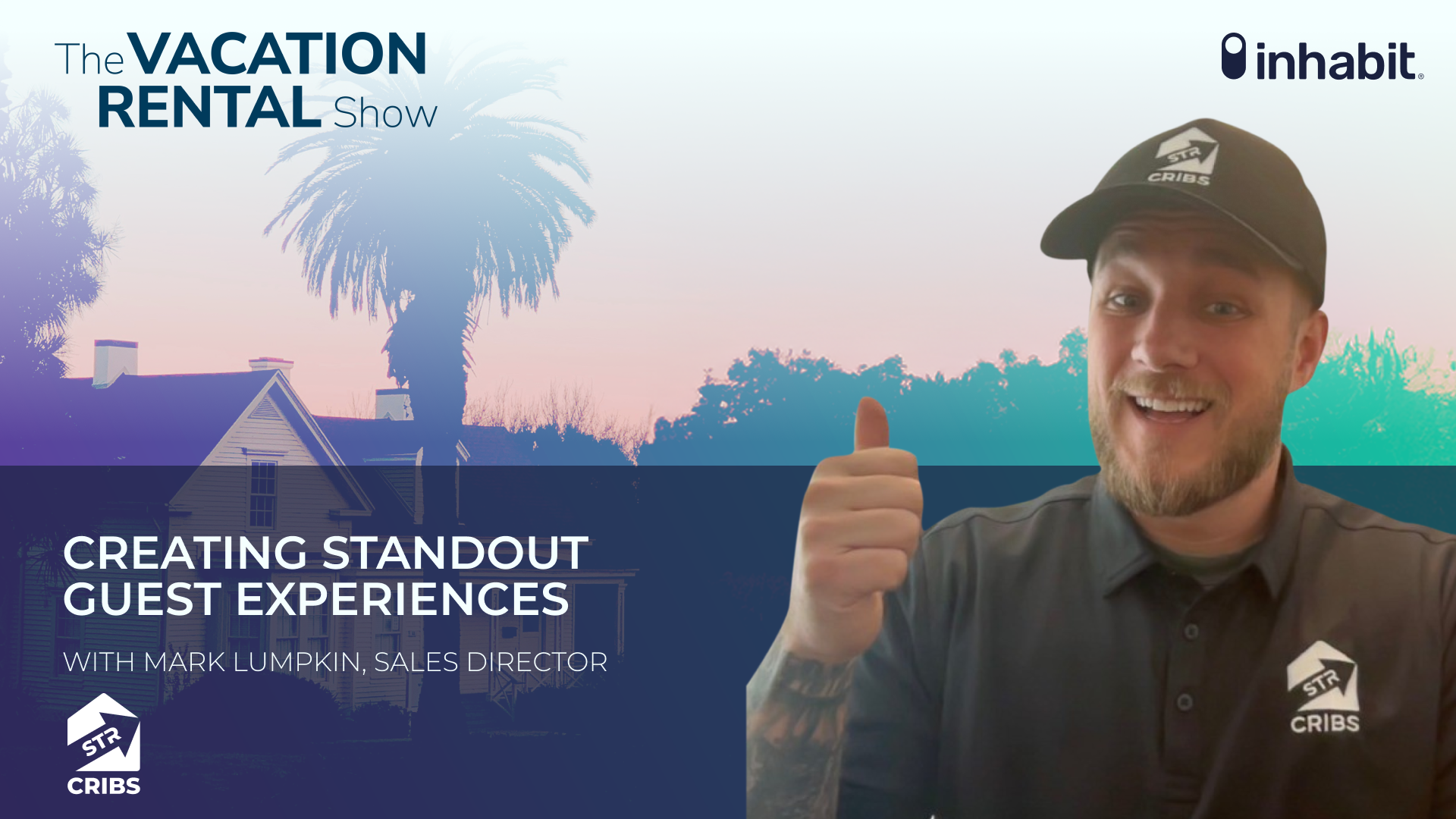
According to Mark Lumpkin, Sales Director at STR Cribs and cohost of the STR Investing Podcast, differentiation is an essential tool for PMCs to leverage.
Differentiation Isn’t Decor. It’s Strategy.
STR Cribs is a licensed contractor specializing in designing profitable niche rentals. About 80% of their business focuses on setting up brand-new short-term rentals built to stand out from day one.
They understand a simple truth: If your property looks like every other beige rental on the platform, it will perform like one.
Instead of generic interiors, they create properties tailored to a specific guest avatar and market demand. While Mark is a pro, property managers and homeowners can take a page out of his book. They also know their market better than anyone, which is a key competency for understanding how to differentiate in your market.
An Example from the Episode: Nashville—The Bachelorette Capital of the World
In Nashville, they lean into what the market is known for—bachelorette parties.
That means:
- Pink-themed party houses
- Taylor Swift-inspired interiors
- Cowgirl-core aesthetics
- Instagrammable photo moments
It’s not a guessing game. Simply research who your guests are and why they’re staying in your market, then align with demand.
The ROI Speaks for Itself
How do you know when you’ve differentiated enough? Mark uses the first 30 days post-launch as a benchmark.
An example from the episode is:
14 bookings in 7 days after remodeling, with $60,000 in revenue in the first week.
What’s even more telling? 50–60% of STR Cribs clients return to do additional properties. Some investors have completed 100+ units with them.
When operators reinvest, it’s usually because the numbers justify it.
If you’re looking for a place to start, upgrade beds. Increasing guest count often produces the biggest lift in revenue. Larger units are outperforming medium and small units but maximizing the size of group you can accommodate is a way to instantly lift revenue.
More sleeping capacity = larger groups = higher nightly rates.
After that, ROI becomes market and customer avatar specific:
- If your unit is primarily a couples cabin in the mountains? Investing in amenities like a sauna, hot tub, and massage chairs is the better choice.
- What if your property is a family rental in Tampa?
Playground, pool, pickleball court.
There is no universal “best amenity.” The right amenity is the one your guest values most.
Luxury vs. Practicality: The Real Question
One of the biggest mistakes investors make? Overinvesting in fragile, high-end luxury items that won’t survive turnover.
Mark’s general rule:
- Avoid unnecessary ultra-luxury pieces.
- Lean into hospitality-grade, durable products.
- Evaluate maintenance cost vs. revenue lift.
A hot tub may drive bookings, but it requires draining, cleaning, refilling, and retreating. If the added revenue doesn’t outweigh the added operational cost, it’s just an expense. Even small decisions matter. High-end stainless cookware may look impressive, but Teflon sets that can be replaced every 1–2 years often make more operational sense.
There’s a law of diminishing returns in every STR.
The Biggest Mistake? Cheap Materials
Buying inexpensive items that won’t last often increases long-term cost and liability. The same applies to build quality and renovations.
In humid coastal markets, for example, grills and exterior materials can deteriorate quickly. Investing with local knowledge matters.
Which leads to one of Mark’s strongest pieces of advice:
Define your guest avatar before you buy a single piece of furniture.
Then leverage:
- Market data
- First-party performance data
- Local property managers and realtors
- Historic demand trends
Design without data is gambling.
Staying Competitive in a Rapidly Evolving Market
The short-term rental market evolves quickly.
Stay ahead by:
- Attending industry conferences (VRMA and others)
- Consuming social media insights from top operators
- Testing new amenities
- Leveraging AI tools and automation
AI-powered tools won’t replace great hosts. But they can enhance operational efficiency and improve response time.
Advice for New Investors
Mark pushes back against the “work one hour a week from Hawaii” narrative.
His advice:
- Be hands-on in the beginning.
- Clean your own property at least a few times.
- Understand the operational realities before outsourcing.
You can’t optimize what you don’t understand.
Why This Matters
As competition increases, marketing alone won’t fix a poorly positioned property.
The highest-performing portfolios combine:
- Market-aligned design
- Guest-avatar clarity
- Strategic amenity investment
- Durable, hospitality-grade execution
- Data-backed performance tracking
Differentiation drives bookings, but sustainable revenue comes from aligning experience, operations, and strategy. In a market where revenue has dropped 10% year-over-year for many operators, reinvestment and repositioning may be the difference between plateau and growth.
Convert Differentiation into Demand
You’ve built something great, now the priority is making sure travelers see it.
Unlock STR marketing from Bluetent that’s engineered to convert.
 Your Privacy Choices