
The vacation rental industry continues to evolve, bringing new business models, new service offerings, and new ways for operators to support homeowners. Alongside that growth, one topic continues to generate discussion: the relationship between professional property managers and co-hosts.
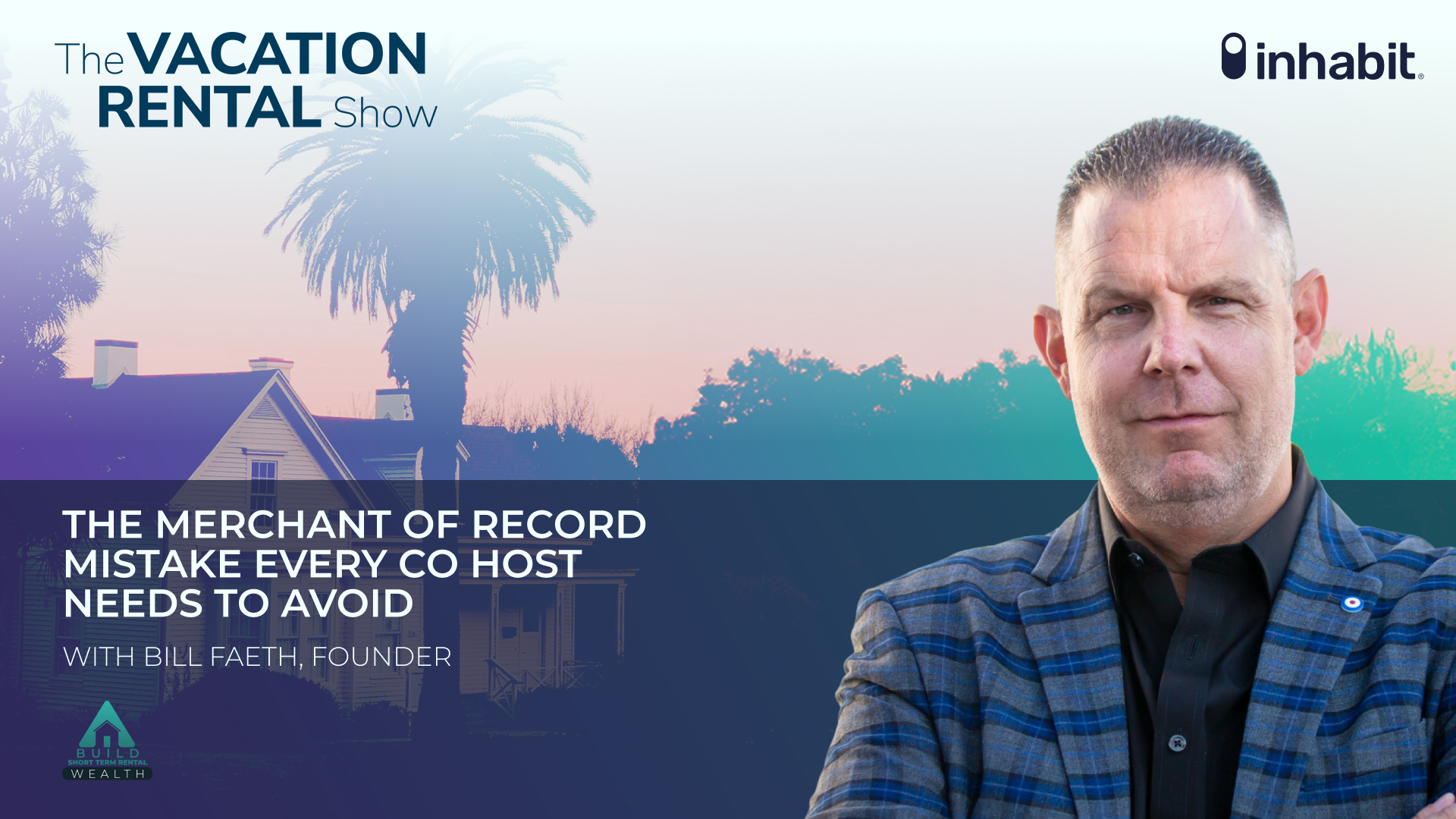
According to industry veteran Bill Faeth, the conversation often becomes unnecessarily divided. Having worked as a property owner, co-host, and professional manager, he believes both groups have valuable perspectives that can strengthen the industry.
Different Models, Similar Goals
Professional property managers and co-hosts often approach operations differently, but both are ultimately working toward the same objective: helping homeowners maximize the performance of their properties while delivering great guest experiences.
Many co-hosts have introduced highly personalized homeowner service models, while established property management companies have developed scalable systems for compliance, operations, and risk management. Rather than viewing these approaches as competing philosophies, Faeth encourages operators to learn from one another.
Why Merchant-of-Record Structure Matters
One area where Faeth sees little room for ambiguity is merchant-of-record responsibility.
In a properly structured co-hosting relationship, property ownership remains with the homeowner. That includes control of listing accounts, payment processing, and booking revenue.
The co-host’s role centers on guest communications, hospitality, marketing support, and operational management. The homeowner remains the party receiving booking revenue and maintaining ownership of the financial relationship.
This distinction is not simply an administrative preference. It helps create clarity around responsibility, ownership, and regulatory considerations.
Education Creates Better Businesses
Faeth shared examples of co-hosts who discovered their business structures needed adjustment. In many cases, the issue was not intentional misconduct but a lack of education about how merchant-of-record responsibilities should be managed.
For operators entering the industry, this highlights the importance of understanding business structure before scaling operations. Clear ownership, transparent financial relationships, and documented processes can help prevent challenges later.
Knowledge Reduces Risk
Regulatory conversations can create anxiety for operators, particularly when local requirements begin to change.
Faeth advises business owners to first understand how their operation is structured before assuming they are out of compliance. While every operator should understand applicable state and local regulations, informed decision-making is often more productive than reacting out of fear.
Moving the Industry Forward
Whether you’re a co-host, property manager, or owner, success depends on delivering value to homeowners and guests.
The strongest operators continue learning, adapting, and sharing knowledge. As new business models emerge across the short-term rental industry, thoughtful conversations about structure, responsibility, and best practices will help create better outcomes for everyone involved.
Listen to the full episode on your favorite platforms.
YouTube · Spotify · Apple Podcasts
 Your Privacy Choices